
Massage Chair Comparison: Traditional vs Sonic Massage Therapy Explained
Why Your Current Massage May Not Be Solving the Problem
Many people in New Zealand turn to a massage chair to relieve stress, ease muscle tension, or improve sleep. Yet, even with regular use, some still experience lingering discomfort — especially in the lower back, shoulders, or deep muscle areas.
The reason is simple: not all massage technology works in the same way.
Traditional mechanical massage focuses on surface-level pressure. While this can feel effective in the moment, it often does not reach the deeper layers where long-term tension builds.
This is where a new approach — sonic massage therapy — is changing expectations.
Traditional Mechanical Massage: Familiar but Limited
Most massage chairs on the market rely on motor-driven rollers, airbags, and vibration systems. These create a physical sensation through pressure, tapping, and kneading.
How it works in real use
When you sit in a traditional massage chair, you will typically feel:
Firm pressure on the surface of your muscles
Rolling or tapping movements along your back
Air compression around arms, legs, or shoulders
For many users, this provides short-term relief, especially after a long day.
However, the effect is often limited to what your body can physically feel on the surface. Much of the energy from these movements is absorbed by the outer muscle layers, meaning deeper tension remains largely untouched.
Sonic Massage: A More Advanced Approach to Massage Therapy
Sonic massage introduces a fundamentally different way of delivering massage therapy. Instead of relying only on physical pressure, it uses high-frequency soundwave resonance to interact with the body.
Because the human body is made up of around 70% water, these soundwaves can travel more efficiently through tissues, reaching areas that traditional massage cannot easily access.
What this feels like
Rather than strong mechanical pressure, the sensation is:
Gentle but deeply effective
Smooth and coordinated rather than repetitive
Quiet and immersive, without harsh mechanical noise
Many users describe it as a more “internal” form of relaxation — where the body gradually releases tension instead of reacting to pressure.
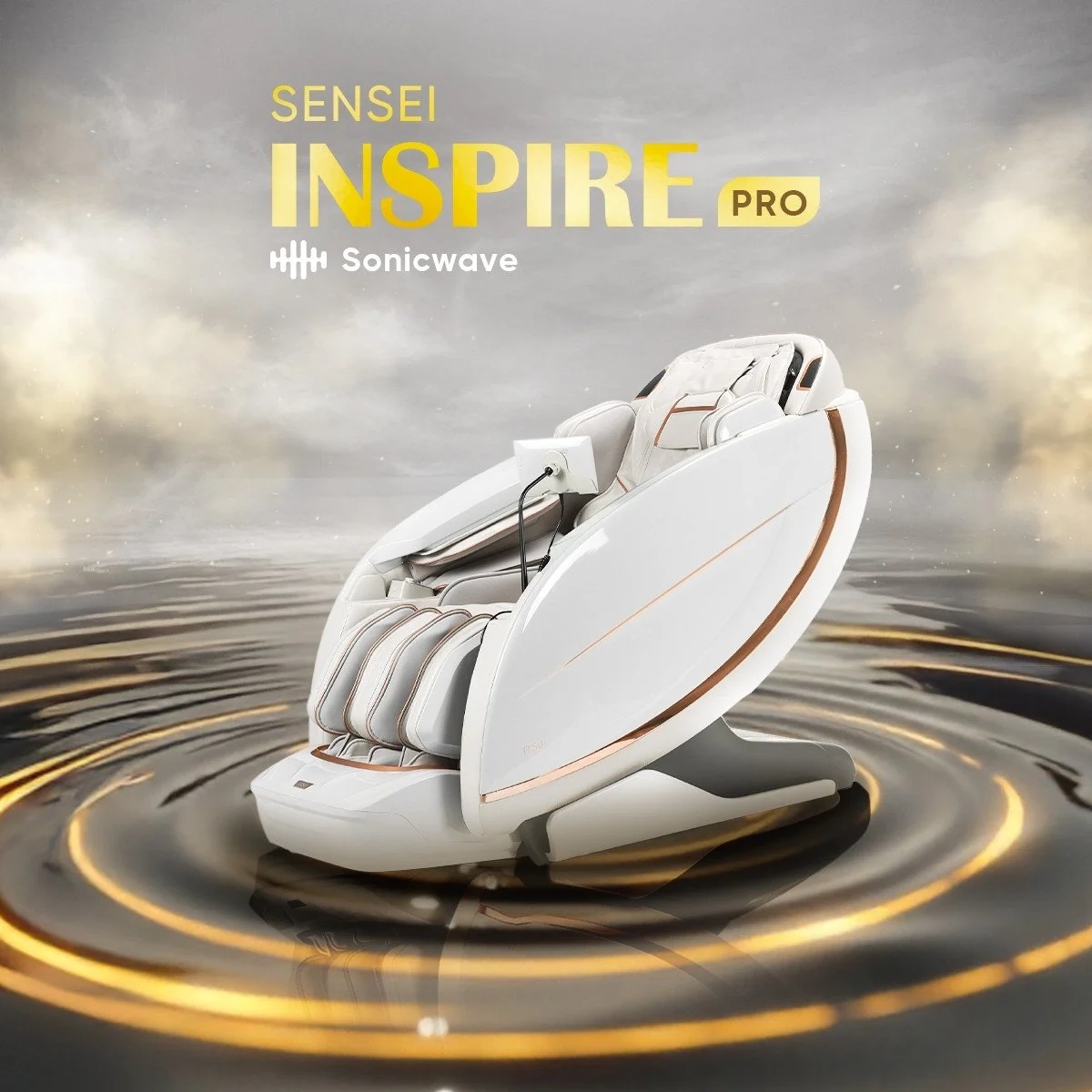
Key Differences: Traditional vs Sonic Massage Chair Technology
Mechanism
Traditional massage relies on physical impact and motor-driven movement. Sonic massage works through soundwave resonance, creating a more precise and non-invasive interaction with the body.
Energy Transmission
With traditional systems, much of the energy stays in the superficial muscle layers. Sonic technology, by contrast, travels through the body more efficiently, helping reach deeper structural areas linked to chronic stiffness.
Penetration Depth
Mechanical massage mainly affects surface and mid-layer muscles. Sonic massage can reach deeper muscle groups and fascia — where long-term tension often sits.
Massage Sensation
Traditional massage can feel firm, sometimes even slightly abrupt or noisy. Sonic massage is smoother, quieter, and often synchronised with audio, creating a more relaxing overall experience.
Reaching the Root of Chronic Tension
One of the most important differences lies in how each approach handles long-term discomfort.
Traditional massage is effective for temporary fatigue — the kind you feel after a busy day. But for deeper, ongoing tension patterns, it may not always be enough.
Sonic massage is designed to go further.
By reaching deeper into muscle layers and fascia, it helps address the underlying causes of stiffness rather than just the surface symptoms. Over time, this can support:
Reduced chronic muscle tightness
Improved mobility
Better recovery after physical activity
A more lasting sense of relaxation
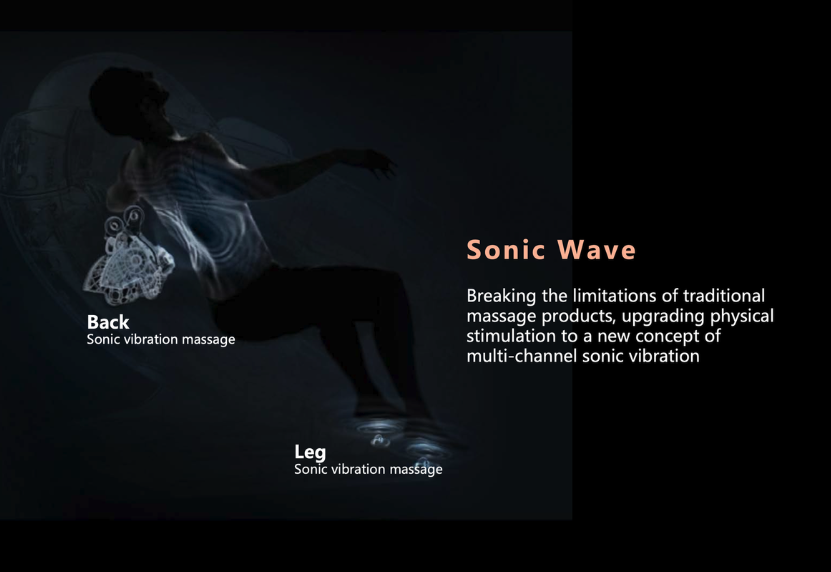
Is Sonic the Best Massage Chair Technology for You?
Choosing the best massage chair is not just about features — it is about how well the experience fits into your daily life.
If you are used to traditional massage, you may prefer something that feels firm and familiar. But if your goal is to move beyond short-term relief and towards something more consistent and restorative, sonic technology offers a different path.
With the Sensei Inspire Pro, the focus shifts from intensity to effectiveness. Each session is designed to feel more like a complete wellness experience rather than a simple routine. From muscle recovery to stress release and even mental relaxation, the chair delivers a more balanced form of massage therapy that adapts to how your body feels on the day.
Final Thoughts: A Smarter Way to Relax and Recover
Massage technology has evolved significantly, and the difference between traditional and sonic systems is more than just a feature upgrade — it represents a shift in how we approach recovery and wellbeing.
For many New Zealanders, a massage chair is no longer just about comfort. It is about finding a practical, effective way to manage stress, reduce pain, and improve daily quality of life.
Sonic massage offers a new perspective on what is possible — not by increasing intensity, but by working smarter with the body.
If you are looking for a more refined, deeper, and longer-lasting experience, it may be time to consider a different kind of massage therapy — one that goes beyond the surface.